
As we continue on our Magickal Journey, I felt that this topic deserved its own chapter so here it goes!
We previously discussed that being a Witch means that you are responsible not only for safe practicing(light, dark, or really any practice) but also to connect, guard, and protect the environment.
Now, just a reminder, this Public Grimoire is an accumulation of the knowledge that I have acquired and learned throughout my magickal practices. Its not “the only way” to practice and the information provided in this grimoire is meant to not be an instruction manual that has to be followed to the letter, but to simply aid you into finding your own path and dive deeper into topics that you may be feeling called to practice.
With that being said, everyone will practice magick in their own way, some form covens or factions to continue not only teaching others what they know but to also learn from another’s experience.
Now to continue with what I was saying, as a witch you can practice what ever form of magick that you feel drawn too. There is no right or wrong way to do magick, maybe some not so great ways to do magick, but it is 100% up to the wielder which path they follow. In your journey you may find that you will need an assortment of ritual tools, herbs, crystals, and other odds and ends. This is where it can get tricky.
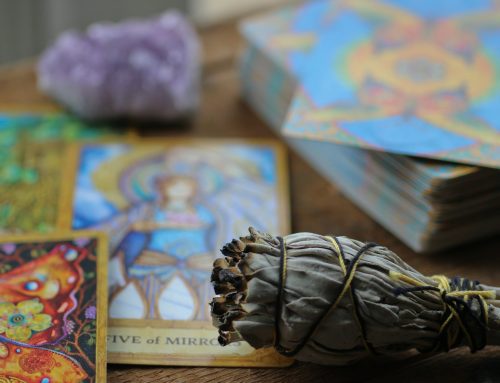
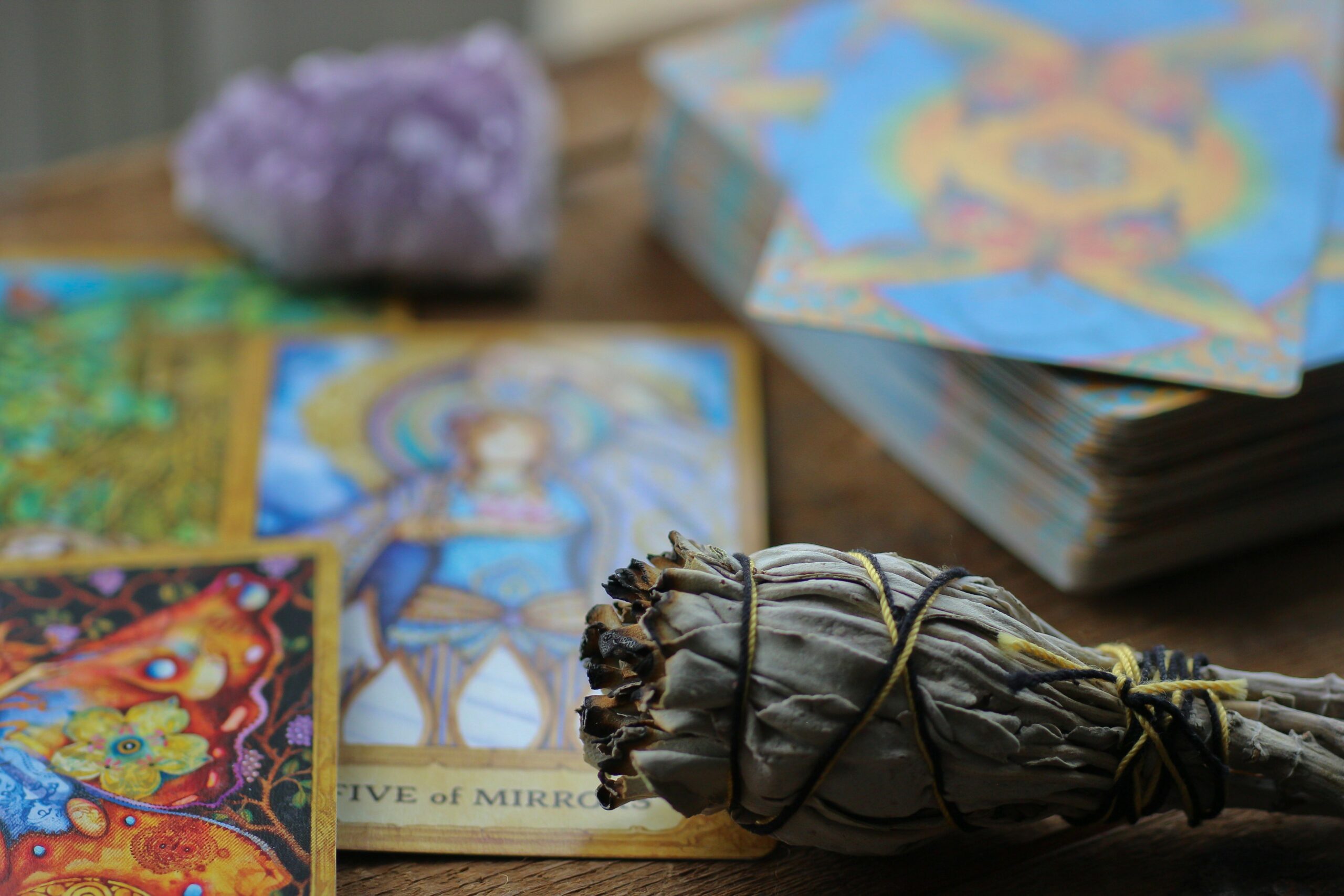
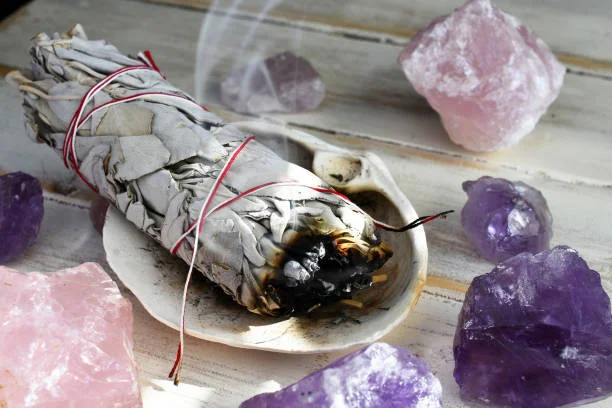
Lets say you go to your local corporate run department store, you find a bundle of sage on the shelf or a pack of palo santo. You begin to remember something about needing them for either an upcoming ceremony, ritual, or spell work session that you are planning on holding. You pick up your items without really thinking about where it came from or how it was harvested. This is where the problem lies.
Department stores often resell product that is currently popular, and witchcraft is on the rise. That being said, there is now a huge demand for Palo Santo and White Sage or other Sage bundles. As corporate goes, they always take the option that will cost them the least and bring in the biggest profit. They do not care about how it is sourced or where it may have been taken from as long as they get their money out of it. It is up to us, not only as Witches but as Consumers to do our due diligence and investigate past the pretty packaging and find out how it was sourced.
The poaching of white sage and palo santo has become a concern due to their increased popularity in spiritual and wellness practices.
Here are some facts about the poaching of these plants:
- White Sage (Salvia apiana):
- Endangered Status: Wild white sage populations are threatened due to overharvesting, habitat loss, and climate change.
- Cultural Significance: White sage is sacred to many Indigenous cultures in North America, including Native American tribes who have used it in ceremonies and rituals for centuries.
- Commercial Demand: The growing popularity of smudging rituals and alternative healing practices has led to increased commercial demand for white sage bundles, putting additional pressure on wild populations.
- Sustainable Alternatives: Some organizations and individuals advocate for sustainable harvesting practices or the use of cultivated white sage to reduce the impact on wild populations.
- Palo Santo (Bursera graveolens):
- Endangered Concerns: Palo Santo trees, primarily found in South America (particularly Peru and Ecuador), are facing threats due to overharvesting and habitat destruction.
- Traditional Use: Palo Santo has a long history of use in indigenous South American cultures for spiritual and medicinal purposes, similar to white sage in North America.
- Conservation Efforts: Conservation organizations and local governments are working to promote sustainable harvesting practices and protect natural habitats where Palo Santo trees grow.
- Alternative Sources: Some companies offer sustainably sourced Palo Santo products or alternatives such as essential oils derived from other aromatic plants.
Overall, the poaching and unsustainable harvesting of white sage and palo santo highlight the importance of ethical sourcing practices, conservation efforts, and respecting the cultural significance of these plants to Indigenous communities. Consumers can support sustainable alternatives and products from reputable sources to help mitigate the negative impacts on these valuable plant species and their ecosystems.
Researching the poaching and conservation of white sage and palo santo involves exploring various aspects such as environmental impacts, cultural significance, conservation efforts, and sustainable harvesting practices. Here are some good sources for further research on these topics:
- Scientific Journals and Publications:
- Environmental Organizations and NGOs:
- Indigenous Rights and Cultural Preservation Groups:
- Government Agencies and Regulations:
- Academic Institutions and Ethnobotanical Studies:
- Ethical and Sustainable Businesses:
– Some companies and organizations involved in herbal medicine, aromatherapy, and natural products offer resources and information on sustainable sourcing, fair trade practices, and ethical consumption of botanicals like white sage and palo santo.
By exploring these sources, you can gain a comprehensive understanding of the issues surrounding the poaching of white sage and palo santo, as well as efforts to conserve these valuable plant species and respect their cultural significance.
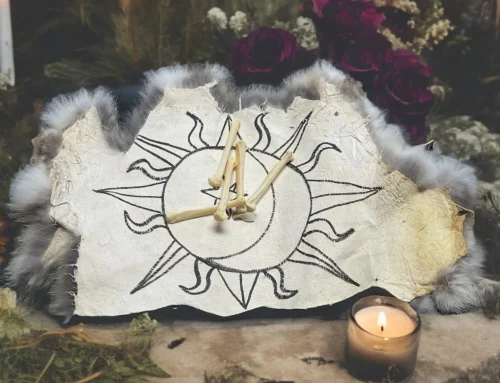
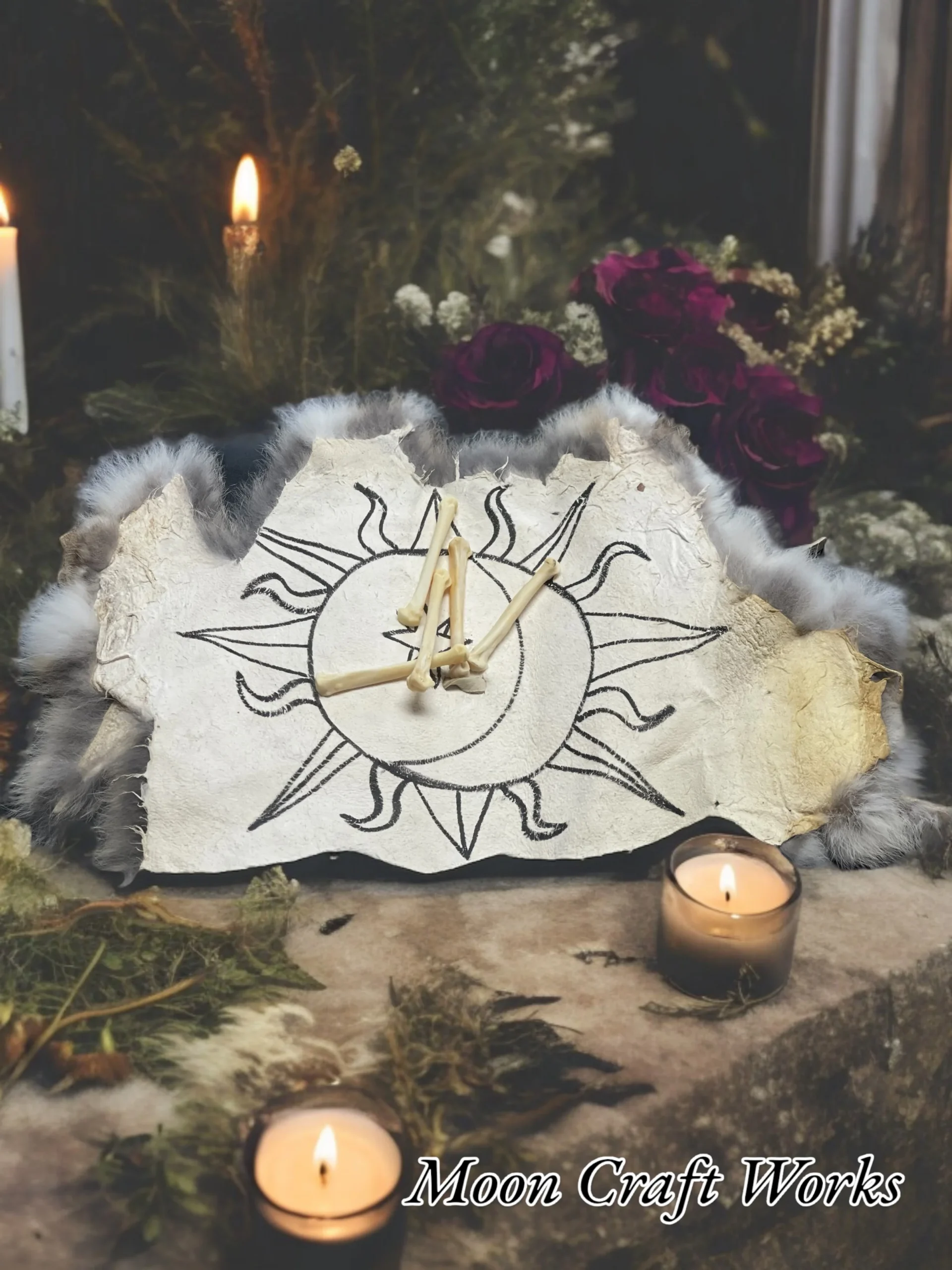
The same goes for animal parts, as a bone witch I get it, its hard not to be swindled into a good looking skull or other animal part especially when its a decent price. However, due to the increasing demand of animal parts in the Oddities Industry and Witch Community, there has been a bigger increase of illegal hunting and trapping to meet the demand. When it comes to Animal Parts its always best if you find where they are sourced, its one thing to find a deer skull or fox bones while romping around the forest, but its another if someone went out of their way to purposely kill an animal, without any permits(aka not in hunting season), to make a quick buck.
If your looking for Ethically Sourced Bones, I would recommend following up with your local taxidermist. Legit taxidermist have a permit to pick up and process bones and pelts from road kill, hunted animals(during hunting season or specialty permits), and from pets that people wanted to have preserved. More often than not, the people who brought in the animals only want the taxidermy piece that they commissioned and will often leave the bones with the taxidermist to dispose of. Not saying you will get them for free, but you will be stopping the ever growing epidemic known as poaching.
If you are a part of an oddities group on Facebook, or some other form of social media, always ask how an animal was sourced when looking to buy from a potential vendor. This might sound bad, but technically hunting competitions are considered to be ethical in the sense that it takes a densely populated species and culls a percentage of it to ensure the rest of the population remains healthy and doesn’t overrun an ecosystem. Its still sad, and upsetting, but it does reduce the risk of certain diseases blowing out of control and decimating an entire species.
Which brings me to my next point. Fur Farms are awful places but technically (and I really REALLY HATE THIS) are also ethical in the sense they do not add the reduction of a wild population and are often bred for the purpose of culling at a later point. Its not Humane, by any means and it is deeply disturbing, but some fur farms have started processing bones and other animal parts of the creatures they farm for resale. So with that said, it hits one of our two check marks: is it Ethically Sourced and Humanely Sourced. As a witch who works and creates art with bones, I take it upon myself to ask these questions. A lot of people block me when I ask, because to them it was another dumb animal. But to me, it was a beautiful soul that had just as much right to live as we do.
Regardless, if they ask you they refuse to tell you, do not give them your business. If you ask and they tell you but their answers do not sit well with you, trust your gut and do not shop with them. Ultimately it is up to you how your proceed. Just take into consideration that the environment needs help too.
What I have found as far as sourcing Ethically and Humanely Sourced Bones is you mostly get one option or the other. Road Kill and Taxidermist, they are ethical but its up to you if you consider it to be humane prior to processing. Be sure to check your state laws before picking up roadkill to avoid any problems!
Foraging in the woods: Ethical and Humane as long as you have the permission to traverse areas that may belong to someone else.
Try to stay away from anyone who is selling from any Asian Countries if possible. I can guarantee that all the animals are not ethically or humanely sourced.
You may even be able to check with some local rescues or sanctuaries, they typically do not process the bones of the animals that die in their care or have to be euthanized, but you may be able to ask them if you can start handling the disposal of the deceased animal. You may need to acquire a permit to do so, so be sure to look up local and state regulations prior to asking!
We have the power to protect our environment and promote sustainable resources for our practices. Do not add to the problem of being a victim to corporate greed, dive deep and ensure the product you are buying comes from a sustainably and ethically sourced vendor before giving your business freely. We can do so much good with just this simple task.
At Moon Craft Works, I did the research, and I found a few vendors that are known for their sustainable, ethical and humane harvesting or collecting. So if you are concerned about whether or not your items are obtained this way, you can always shop at my store or ask me how to find good resources going forward.
I do hope that you will consider or continue to practice Ethically, Humanely, and Sustainably!
Blessed Be Witches✨